Engineering Letters in Florida: When You Need One, What It Costs, and How to Get It

In Florida, you may need an engineering letter when a building department, inspector, or other party needs a Florida Professional Engineer's written assessment of a specific structural condition. Common reasons include a failed framing inspection, a proposed modification to a bearing wall, or a request to document an existing condition. The letter must address the actual question being asked. It does not, by itself, replace a permit, required plans, or an inspection.
At Apex Private Provider, we provide signed and sealed structural engineering letters across Florida. Our published prices are $675 for a letter without calculations, $850 with limited basic calculations, and $1,025 with detailed calculations. The right tier depends on the condition, the available information, and what the recipient needs to review.
To get started, obtain the exact request or failed inspection comments, gather clear photographs and available plans, and confirm whether the receiving building department or other party needs calculations or a site visit. Send that information to the engineer before ordering a letter. A narrow, well-defined question is much easier to answer than a general request to certify that a house is safe.
The practical test: Identify who requested the letter, what condition they want addressed, and what they will accept as a response. If you cannot answer those three questions yet, clarify the request before commissioning engineering work.
What is an engineering letter?
An engineering letter is a signed and sealed document in which a Professional Engineer addresses a defined technical issue. For a structural matter, that might be an observed condition, an inspection correction, a proposed repair, or a limited change to a beam, post, header, connection, or load path.
The words structural letter, repair letter, and permit support letter often describe different uses of the same basic format. The title matters less than the scope. A letter discussing a visible existing condition is not interchangeable with a repair design that must explain how altered framing will carry loads.
A useful letter should make it possible for its reader to understand the property and issue, what the engineer evaluated, and the conclusion. Depending on the assignment, it may refer to inspection comments, plans, photographs, observations, or calculations. It should also be clear about what was not assessed. For example, photographs of an exposed truss connection do not establish the condition of every concealed connection in the roof.
Our working distinction is simple: a letter answers a specific engineering question; a plan review evaluates a set of construction documents; an inspection evaluates work at an identified stage. Choosing among them early prevents a common delay, submitting a document that does not answer the reviewer's request.
When might you need an engineering letter in Florida?
A failed inspection
If an inspector identifies a structural issue, the written correction is the starting point. Examples in our repair-letter work include missing truss straps and cuts into bearing walls. The engineer may need to assess the condition, the intended repair, and the approved plans before preparing a response.
An existing condition or property question
A homeowner, contractor, or real estate professional may need a signed and sealed assessment of a particular structural observation. Define the element and the concern rather than requesting an open-ended statement about the whole property.
Permit support for a modification
Minor changes involving a simple beam, header, post, or connection may call for a letter with basic calculations. More involved work can require detailed analysis or separate design documents. Ask the building department what it expects before treating a letter as the permit package.
Unpermitted or undocumented work
A letter may help explain a condition, but it does not authorize completed work or guarantee after-the-fact approval. Concealed construction can require more documentation or investigation, and our pricing typically places unpermitted work under the detailed-calculation tier.
In each situation, who is asking changes the assignment. A failed inspection report gives the engineer a specific correction to address. A buyer's request may instead concern an observed condition. A permit reviewer may need calculations showing how a change affects the structure. Sending the actual request is more useful than paraphrasing it.

When a letter is not enough
An engineering letter is not a universal shortcut around plans, calculations, permits, or inspections. If the issue requires a full structural design or detailed construction drawings, a short observation letter will not do that work. Likewise, a letter about one connection cannot resolve unrelated deficiencies noted elsewhere in an inspection report.
Watch for three signs that the scope needs more than a basic letter:
- The proposed change affects the load path. A modified bearing wall, beam, header, post, or connection may require calculations so the reviewer can see how loads are supported.
- The critical work is hidden. Once framing or connections are concealed, an engineer may need construction records, better access, or further investigation before reaching a conclusion.
- The requested deliverable is broader than a letter. If the building department asks for construction drawings or a fuller permit submission, ordering a letter alone will not meet that request.
When you receive an inspection correction, keep its exact wording. If the comment calls for a specific repair detail or additional documents, discuss those requirements with the engineer before assuming a sealed letter is sufficient. The same principle applies to property transactions: ask the requesting party to specify the condition and the decision the document must support.
How much does a signed and sealed engineering letter cost?
Our published Florida engineering letter prices are organized by the amount of analysis required, not by a promise that every structural concern can fit into a single-page opinion. The fee differences reflect a meaningful distinction between documenting a condition, checking a simple structural element, and analyzing a more complex load path.
| Letter | Price | Included work and typical use |
|---|---|---|
| Tier 1: no calculations | $675 | Signed and sealed letter for existing conditions, general structural observations, permit support, property documentation, or simple projects. Includes site or document review and a structural assessment. |
| Tier 2: limited basic calculations | $850 | Signed and sealed letter for minor modifications, permit support, or basic load checks. Includes review of available plans and information, checks of simple beams, headers, posts, or connections, and one round of reasonable revisions. |
| Tier 3: detailed calculations | $1,025 | Signed and sealed letter for more complex conditions. Includes plan and project-information review, analysis of beams, headers, posts, connections, and load paths, and one round of reasonable revisions. |
Read the exclusions before choosing a tier. Tier 2 does not include full structural design, complex calculations, detailed construction drawings, or site inspections unless noted. Tier 3 does not include full construction documents, extensive redesign, or site visits unless noted. Custom structural reviews, calculations, and documentation are quoted individually.
For an eligible Tier 1 request, a same-day rush may be accepted for an additional $150, subject to availability and receipt of the information needed for review. An urgent deadline does not remove the need for sufficient evidence or an appropriate engineering scope.
What changes the price?
Start with the question the letter must answer. A defined existing condition can be assessed differently from a change that needs load calculations. The availability of approved plans, truss information, photographs, and inspection comments also affects how much the engineer must establish independently. If important elements cannot be seen or the project requires substantial redesign, the work may fall outside a standard letter tier.
For unpermitted work, allow for more review rather than assuming that a basic existing-condition letter will be enough. The history of the work, available construction records, and the receiving jurisdiction's requirements all matter. Confirm the scope, any site-visit requirement, and what the quoted fee includes before proceeding.
How to get an engineering letter, step by step
Get the request in writing
Ask the building department, inspector, or other requesting party to identify the issue. If an inspection failed, obtain the report with the county or city comments. If a buyer or another party has asked for a structural assessment, request the exact question they want answered. Keep the permit number and property address with the request.
Determine the document they need
Ask whether a signed and sealed letter will address the request or whether the reviewer expects calculations, a repair detail, plans, or an inspection. This is especially important when a comment describes construction work rather than asking only for an observation. A clear answer here helps avoid buying the wrong service.
Gather plans, reports, and photographs
Provide the approved plans if you have them and the truss package if roof framing is involved. Include a wide photograph showing where the affected element sits in the structure, then close-ups of the condition. A close-up of a strap without a view of the surrounding truss and wall can omit information needed to evaluate the connection.
Match the issue to the engineering scope
Discuss whether the issue calls for a no-calculation assessment, a basic load check, or more detailed structural analysis. Tell the engineer what work has already been performed and whether any portion has been covered. Confirm whether a site visit is part of the proposed scope before relying on remote documentation.
Review the completed document against the request
Check that the letter identifies the property and addresses the specific comment or concern you sent. If the receiving party asked for calculations or a defined repair, confirm that the agreed deliverable includes them. Send any subsequent review comments back to the engineer rather than trying to resolve a technical question by changing the wording yourself.
Submit it through the proper process
Provide the sealed letter along with any plans, permit materials, inspection records, or other items requested by the receiving jurisdiction. If construction must be corrected and reinspected, follow that process as well. The letter supports review; it does not replace the receiving authority's decision.
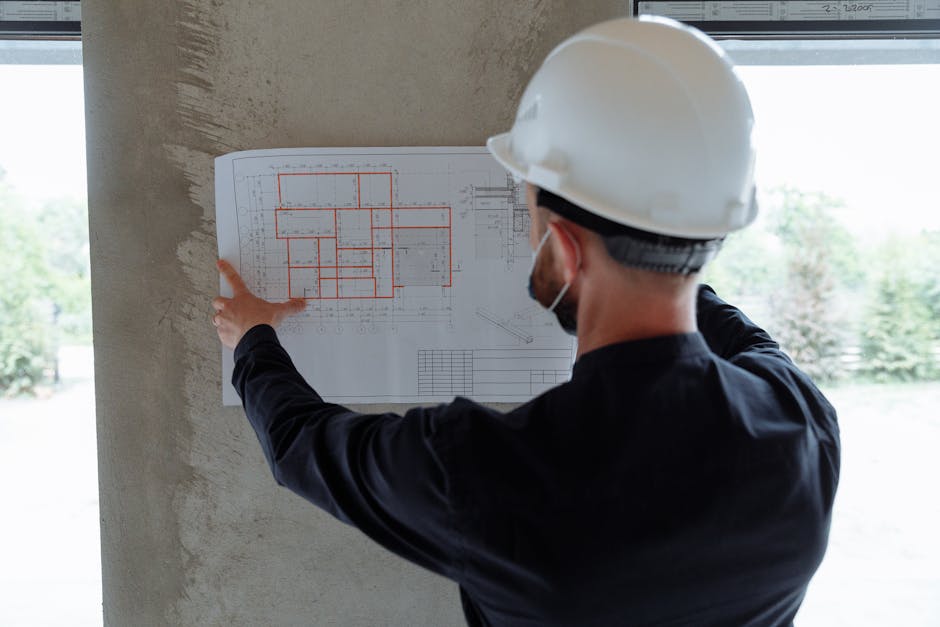
What to send for a failed inspection or structural repair letter
We ask for the failed inspection report showing the county or city code comments, a wide photo of the affected wall, truss connection, or other structural element, close-up photos of the issue, and, if available, the approved plans and truss package. Those items connect the inspector's concern to the actual construction and its intended design.
For example, imagine an inspector flags a missing truss strap. A close-up may confirm that a connector is absent, but the engineer also needs to understand which truss and support are affected and how the connection relates to the available plans. The assessment may lead to a repair recommendation, a request for further information, or a different deliverable than originally anticipated. It would be premature to write that the roof is acceptable based only on a tightly cropped photograph.
A cut into a bearing wall presents a different question: what loads does the wall carry, and how has the cut changed the support? That may require analysis rather than a simple observation. For a closer look at this type of inspection issue, see our guide to failed truss inspections and engineer repair letters in Florida.
Our repair-letter service advertises turnaround options of 24 hours, 48 hours, and 2 business days. The appropriate timing depends on the issue and the information available for evaluation. Submit the inspection report and clear images as early as possible, particularly if a reinspection or closing date is approaching.
Engineering letter, private plan review, or inspection?
These services answer different questions. An engineering letter focuses on a defined issue. A plan review examines construction documents for code compliance, structural integrity, and life safety. An inspection examines work at a particular stage. Knowing which question you need answered is more useful than choosing the fastest-sounding service.
| Service | What it addresses | When to consider it |
|---|---|---|
| Signed and sealed engineering letter | A specific structural condition, modification, inspection issue, or permit-support question. | Someone has identified a defined issue and requested an engineer's written response. |
| Private plan review | Construction plans and their compliance across the relevant trades. | A project needs a broader review of its plans, such as new construction, an addition, a remodel, or an accessory structure. |
| Private inspection | Work at an applicable inspection stage. | The project needs an inspection of construction progress rather than a letter addressing a separate technical question. |
In Lee County, our private-provider services include plan reviews and inspections. Licensed Professional Engineers review all trades under Florida Statute 553.791, and our plan-review service states a 48-hour turnaround with direct access to the reviewing engineer. The team works with designers to resolve issues and reduce resubmittals. These services are distinct from our statewide structural engineering letters.
For inspection work, we offer same-day live video inspections with a licensed Professional Engineer, with results at the end of the call. Photo and video submissions by text, email, or Google Drive have a stated results window of 1 to 2 hours. Whether a particular condition can be assessed that way depends on what must be seen and the requirements of the applicable process. If you are deciding between Lee County inspection routes, our comparison of private-provider and county inspections explains that choice in more detail.
Best practices that prevent delays
- Work from the original comment. A contractor's summary can miss the precise item the inspector wants corrected. Forward the full report, even if only one item appears relevant.
- Show context and detail in photos. Wide views establish location and surrounding framing. Close-ups show the condition itself. Keep identifying information with the files so different locations are not confused.
- Do not cover the work too soon. If a connection or framing change remains visible, document it before finishes conceal the condition. If it has already been covered, say so at the outset.
- Separate observation from design. A letter that records an existing condition is not necessarily a design for changing it. If construction is still planned, explain the proposed work, not just what is visible today.
- Confirm the deliverable before paying for speed. A rapid letter is useful only if it answers the question and includes the analysis the reviewer requires. Resolve uncertainty about calculations, access, and plans first.
- Keep subsequent comments together. If the jurisdiction asks for clarification, forward the complete response to the engineer so the next document addresses all relevant points.
Frequently asked questions about Florida engineering letters
Do I always need an engineering letter after a failed inspection?
No. The needed correction depends on what the inspector identified. Sometimes the work needs to be corrected and reinspected; in other cases, the jurisdiction asks for an engineer's assessment or repair documentation. Start with the written inspection report rather than assuming a letter is required.
Can a letter replace an inspection or permit?
No. A letter can support a permit or address a technical question, but it does not itself authorize construction or eliminate required inspection steps. Ask the receiving building department how the letter fits into its review process.
Does every structural engineering letter need calculations?
No. An existing-condition assessment or simple documentation request may fit a letter without calculations. A change involving beams, headers, posts, connections, or load paths may require basic or detailed calculations. The question being answered determines the scope.
Can photographs be enough for an engineering letter?
Photographs and plans can be useful for a document review, but they must show the information needed for the conclusion. Concealed or unclear conditions may require more documentation or a site visit. The engineer and the recipient's requirements determine what is appropriate for the issue.
What does an engineering letter cost from Apex Private Provider?
Our published prices are $675 for Tier 1 without calculations, $850 for Tier 2 with limited basic calculations, and $1,025 for Tier 3 with detailed calculations. Custom work is quoted individually. An eligible same-day Tier 1 rush request may carry an additional $150 fee, subject to availability and complete information.
Can an engineering letter resolve unpermitted work?
It may help document or analyze the condition, but it does not automatically resolve permit requirements. Unpermitted work may need additional review, documentation, and calculations and is typically priced under our Tier 3 scope. Ask the relevant jurisdiction what it will require.
How quickly can I receive a repair letter?
Our repair-letter service lists 24-hour, 48-hour, and 2-business-day delivery options. Availability and the ability to complete the assessment depend on the project and the information submitted. Send the failed inspection comments, photos, and available plans with your deadline.
Where are your engineering letters available?
Our structural engineering letter service serves Florida. Our private-provider plan review and inspection services serve Lee County. These are separate service areas, so identify the property location and the service you need when contacting us.
Start with the question, not the paperwork
The best engineering letter is the one that resolves a clearly stated issue with the right level of assessment. Get the request in writing, confirm what the recipient needs, and gather the evidence before commissioning the letter. If the problem requires calculations, drawings, or additional inspection, identify that early rather than asking a basic letter to do a larger job.
For a Florida structural letter or a Lee County private-provider plan review or inspection, contact Apex Private Provider at (305) 496-2738 or Apexprivateprovider@gmail.com. Send the property address, the written request or failed inspection report, clear photos, and any available plans so we can identify the appropriate next step.